
What role does water governance play in determining the social and environmental outcomes of energy transition development in the Great Basin?
Funded by the Sloan Foundation, my co-PI, Dr. Sophia Borgias (CU Boulder), and I, alongside our team of researchers, are building a regional Geohub as a comprehensive database and map of current and proposed energy and critical mineral projects in the Great Basin. This includes lithium mining, geothermal energy, pumped storage hydropower, solar, wind, and transmission. In November 2026, we will be releasing an interactive online map for the public, with the ability to click on a point, pull up relevant project information, and view various other spatial layers regarding the status of land ownership and groundwater management.
As part of this project, we have conducted an extensive water rights analysis of water rights transfers related to energy transition development in case study hydrographic basins as well as interviews with local residents, county commissioners, agency staff, and activists, as well as Tribal leaders and Tribal members where authorized.

In what ways do renewable energy and critical mineral development create new challenges and opportunities for energy and water justice?
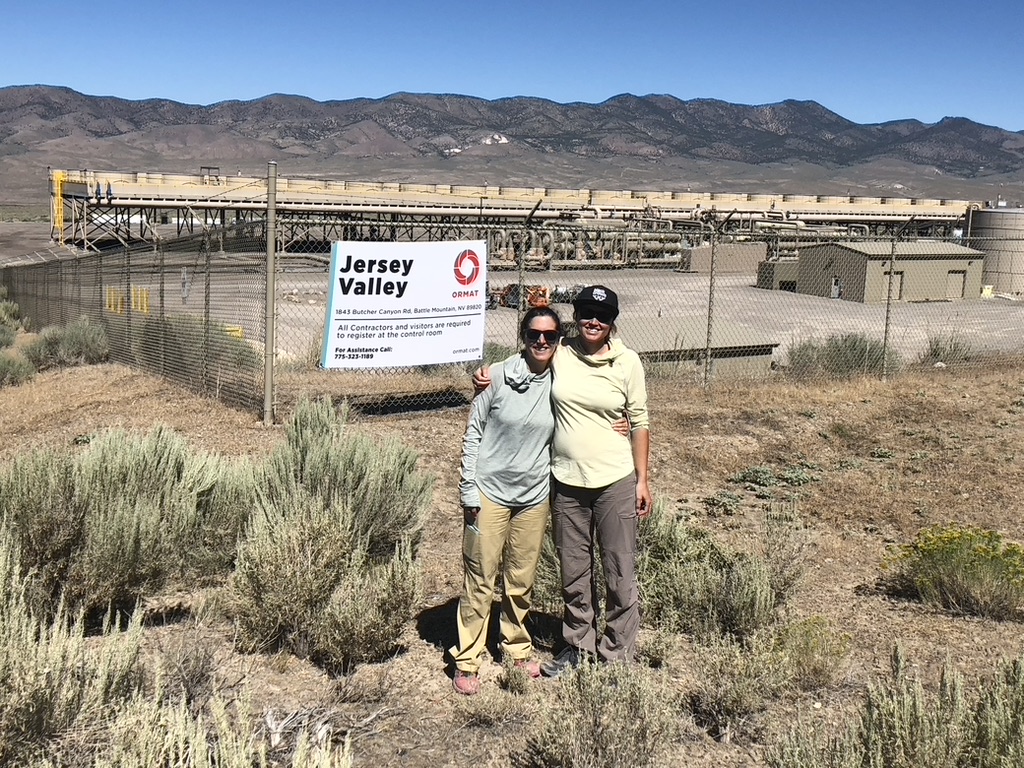
Over the past decade, hundreds of renewable energy projects—including utility-scale solar, geothermal, and pumped-storage hydropower plants—have been proposed across the arid Great Basin, alongside a surge in lithium and other critical mineral extraction. These developments are unfolding in a region shaped by longstanding struggles over water scarcity and environmental injustice, as well as a strong legacy of regional coalition-building. This research explores the intersection of energy and water justice.
.jpeg)
Water and Energy in Transition
Funding
The Sloan Foundation (G-2024 -22522)
Berkeley Economy and Society Initiative, and BSU School of Public Service