

How does hydropower’s growing role in decarbonization and adaptation requires us to also consider it in relation to climate justice movements?
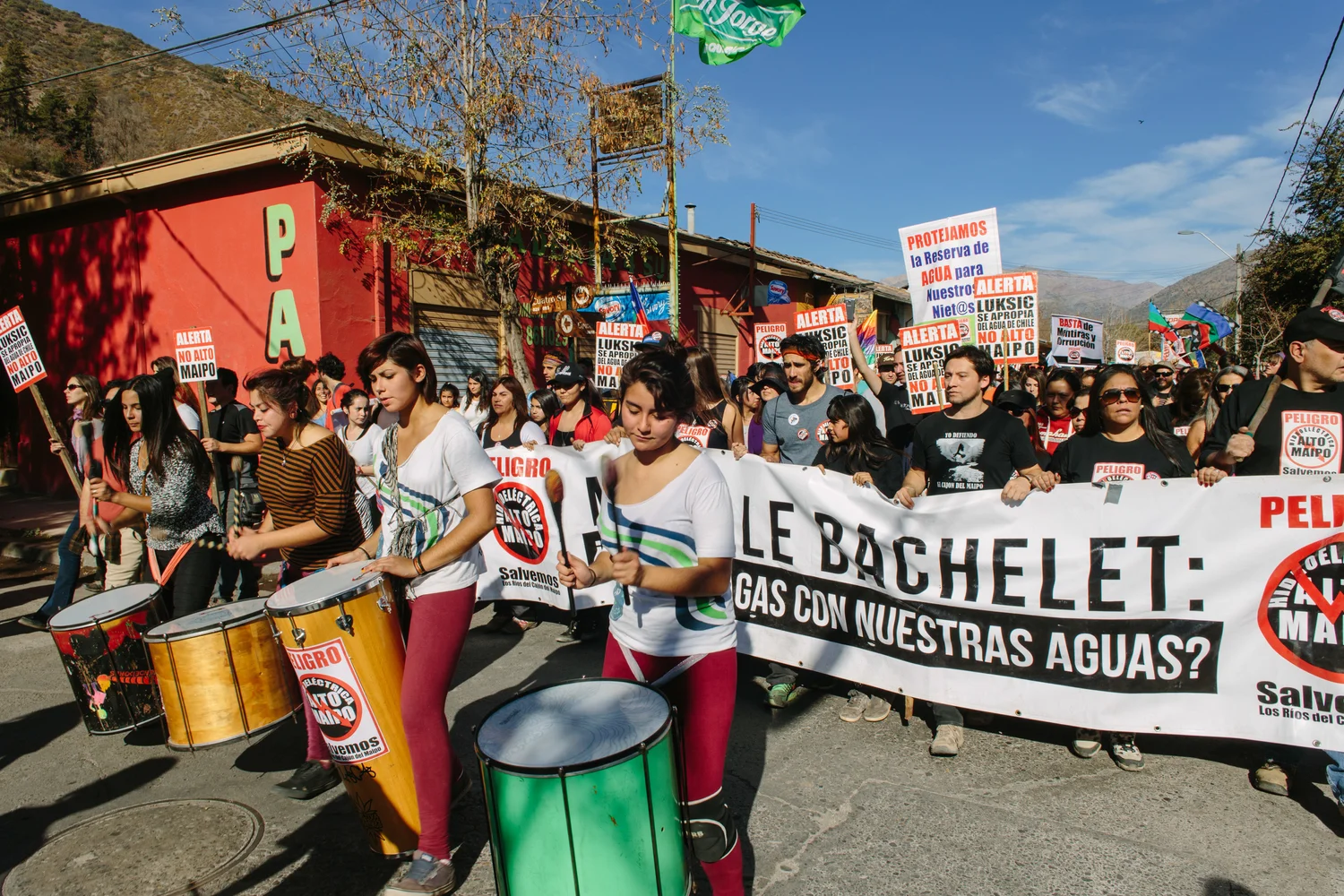
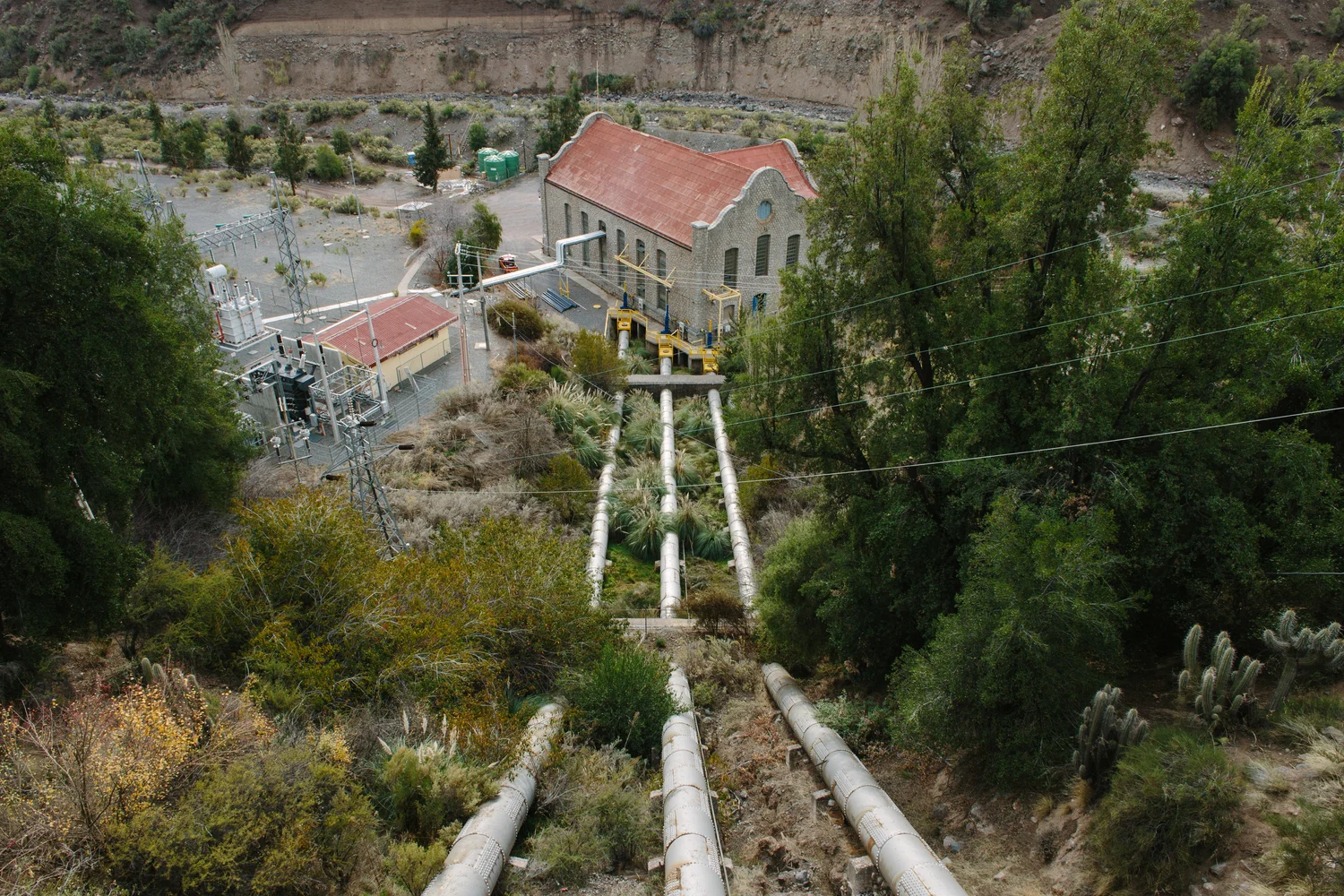
Since 2000, there has been a surge in hydropower development globally. This contemporary hydropower boom is distinguished from earlier periods by four key dynamics: 1) an increase in small-scale, run-of-river, and other alternative forms of hydropower, 2) the growing urgency for decarbonization, 3) a rise in bilateral and public–private finance, and 4) the existence of international standards for minimizing the socio-environmental impacts of hydropower development. Despite these shifts, hydropower development continues to spark fierce social resistance.
Decarbonization & the Hydropower Boom
Related Publications
Anderson, E., Osborne, T., Maldonado-Ocampo, J., Mills-Novoa, M., Castello, L., Montoya, M., and Jenkins, C. (2019) Energy development reveals blind spots for Amazon Conservation. Frontiers in Ecology and the Environment 17(9): 521-529
DOI: 10.1002/fee.2114
Gerlak, A., Saguier, M., Mills-Novoa, M., Fernside, P. and Albrecht, T.R. (2019) Dams, Conflicts, Chinese Investments, and EIAs: A Race to the Bottom for South America? Ambio 49(1): 156-164
DOI: 10.1007/s13280-018-01145-y
Mills-Novoa, M and Taboada, R. (2017) Coexistence and Conflict: IWRM and Large-Scale Water Infrastructure Development in Piura, Peru. Water Alternatives 10(2): 370-394
Funding
UC Berkeley Sponsored Projects for Undergraduate Research